Greenwich Park Moves: Safely Relocating Antique Furniture
Posted on 14/05/2026
Antique furniture is never just "old furniture". It carries age, workmanship, sentiment, and often a bit of worry too. One wobble on a staircase, one rushed lift, one blanket that slips, and suddenly a family table or a Victorian cabinet is in trouble. That is why Greenwich Park Moves: Safely Relocating Antique Furniture is about more than transport. It is about careful planning, gentle handling, and making sure the piece arrives with its character intact.
If you are moving a single heirloom chair, a carved dresser, or several items from a period property, the safest approach is always the same: understand the furniture first, then move it second. In practice, that means looking at age, finish, fragility, size, route, and weather on the day. Sounds obvious, but truth be told, most damage happens because one of those details gets overlooked.
This guide walks through what safe antique relocation really involves, why it matters in the Greenwich Park area and wider London setting, and how to plan it properly. You will also find practical steps, common mistakes, a comparison of moving methods, and a checklist you can actually use. Nothing fluffy. Just the stuff that helps.
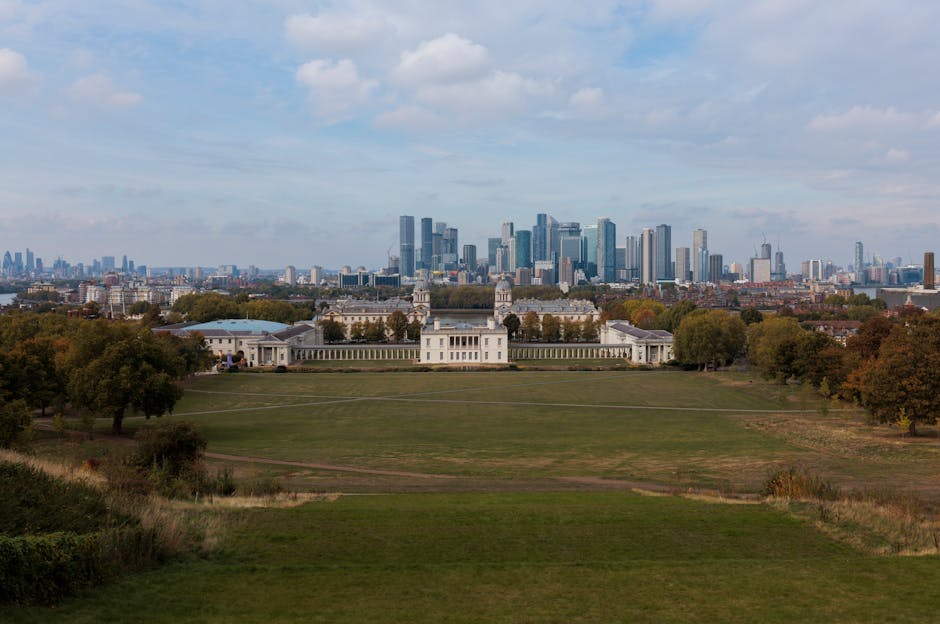
![A wide view of Greenwich Park in London under a partly cloudy sky, with lush green trees framing the foreground. In the middle ground, the historic Queen's House with its white facade and classical architecture is visible, surrounded by open grassy areas with visitors sitting and relaxing. In the background, the modern city skyline with tall skyscrapers and office buildings rises prominently, contrasting with the historic park and indicating a city-centre location. The scene illustrates a peaceful urban green space during daytime, with clear visibility of the various architectural styles and natural elements, ideal for activities such as house removals or furniture transport planning with [COMPANY_NAME], who often assist with packing, loading, and relocating household items within this vibrant area.](/pub/blogphoto/greenwich-park-moves-safely-relocating-antique-furniture1.jpg)
Why Greenwich Park Moves: Safely Relocating Antique Furniture Matters
Antique furniture is vulnerable for reasons that are easy to miss. Old joints can be dry. Veneers can lift with small knocks. Decorative handles, glass inserts, marquetry, and turned legs can fail under pressure. Even pieces that look sturdy may have hidden weaknesses from age, earlier repairs, or wood movement over time.
In Greenwich Park and the surrounding parts of London, moving conditions can add a few extra headaches. Narrow hallways, older staircases, permit considerations, parking pressure, and tight access can all turn a simple move into a bit of a puzzle. On a rainy day, things get even trickier. Wet paths, muddy thresholds, and slippery gloves are not ideal when you are carrying a hundred-year-old sideboard. Not ideal at all.
Safety matters for the furniture, of course, but also for the people moving it. Antique pieces are often heavier than they look, and the weight is rarely evenly distributed. One person might be tempted to "just tilt it a little". That is usually where trouble starts. Proper technique protects backs, floors, walls, and the item itself.
Expert summary: The safest antique move is rarely the fastest one. The goal is controlled handling, suitable protection, and a route that fits the item-not the other way round.
There is also a preservation angle. For collectors, families, landlords, and interior designers, moving antique furniture without damage helps preserve both value and appearance. Scratches can be repaired sometimes, but original patina, old finishes, and period details are much harder to replace. If a piece matters emotionally or financially, caution pays for itself.
For readers exploring a broader move, it can help to compare the antique process with a standard residential move. A good place to start is man and van Greenwich if you need a flexible local service, or house removals in London if the antiques are part of a larger home relocation. When the job includes awkward furniture, the route and packing approach matter just as much as the van.
How Greenwich Park Moves: Safely Relocating Antique Furniture Works
Safe antique relocation is usually a sequence of small, careful decisions rather than one grand solution. It starts before anyone lifts anything.
1. Identify the item properly
First, work out what the piece actually is: type of wood, approximate age, finish, construction style, and any fragile features. A Georgian table and a 20th-century reproduction might look similar at a glance, but they do not always respond the same way to movement. One may have loose joints, the other a delicate veneer. Different risks, different handling.
2. Inspect for weakness
Look for existing cracks, loose legs, missing screws, tired glue joints, or wobble in the frame. This is not about doing restoration work on the spot. It is about knowing where not to put pressure. If drawers stick or doors swing open, they need to be secured before the move.
3. Plan the path out and in
This part is underrated. Measure doorways, stair widths, turns, ceiling heights, and landing space. Check for banisters, light fittings, radiators, and awkward hallway corners. In older buildings around Greenwich, the route can be the biggest challenge, not the furniture itself. Sometimes the piece needs to be turned upright, sometimes tilted, and sometimes dismantled in part.
4. Prepare protective wrapping
Use clean blankets, furniture pads, corner protection, and secure wrapping materials appropriate for the finish. Delicate surfaces should not be wrapped directly in abrasive or adhesive materials. Glass and mirrors need separate, rigid protection. Upholstered items need different treatment again.
5. Lift with control, not speed
Good lifting is steady, calm, and coordinated. Two or more people should know the plan before the first move. No sudden twists. No dragging. No "let's just shuffle it a bit". A few extra seconds at each turn can prevent a costly mistake.
6. Secure inside the vehicle
The van should be organised so antique items do not slide, tip, or rub against harder objects. Heavy goods should be strapped safely. Fragile items should not be pinned beneath boxes or stacked under pressure. If the van floor is uneven or the route is bumpy, the load needs additional cushioning.
7. Unpack and position carefully
Arrival is not the finish line. Reassembly, placement, and unwrapping should be done slowly. Let the piece acclimatise if it has travelled through damp or cold conditions. For lacquered or polished pieces, a sudden temperature shift can be a bit unkind. Better to pause than rush.
If you are building a fuller move around that process, the support pages for furniture removals in London and packing services in London are useful reference points for how professional planning typically fits together.
Key Benefits and Practical Advantages
There is a good reason people do not leave antique furniture moves to guesswork. The benefits are practical, financial, and emotional all at once.
- Less risk of damage: Careful wrapping and controlled lifting reduce chips, dents, veneer lifting, and cracked joints.
- Better preservation of value: Original finishes and period details are easier to protect when the item is handled correctly.
- Lower stress on moving day: A clear plan means fewer last-minute decisions in a narrow hallway at 8am with everyone waiting.
- Safer for people and property: Proper route planning helps avoid strained backs, scraped walls, and damaged flooring.
- More suitable for complex homes: Period properties, top-floor flats, and homes with tight access usually need more than a standard lift-and-load approach.
- Improved handling of sentimental items: Many antiques are family pieces. That emotional value deserves respect, not hurried treatment.
One practical advantage often missed is time saved after the move. If an antique arrives scratched, unbalanced, or partly dismantled without a plan, you can spend hours sorting the fallout. A cleaner move avoids that mess altogether.
To be fair, you also get peace of mind. And for a lot of people, that is the real win.
Who This Is For and When It Makes Sense
This approach is useful for a wide range of people, not just collectors with a room full of museum-grade pieces.
Homeowners and renters
If you are moving a family dining table, a grandfather clock, a dresser, or a delicate writing bureau, careful handling can save you from repair bills and emotional regret. That old sideboard might not be priceless, but it may be irreplaceable to you. Which, honestly, is often the same thing.
Collectors and antique buyers
Buyers transporting recent purchases from an auction, dealer, or private sale need a method that respects age, provenance, and fragility. The condition on arrival matters. A tiny crack can change the whole story of a piece.
Interior designers and stylists
Design projects often involve moving valuable furniture between properties, storage, and staging locations. Timing matters, and the item may need protection while it is waiting rather than while it is in transit. Not glamorous, but very real.
Landlords and estate managers
When an inherited property, furnished rental, or estate contains antique items, the move can be part of a larger practical clear-out. In those cases, the challenge is often coordination: access, keys, timing, and deciding what should be moved, stored, or assessed first.
When it makes sense to use specialist help
Specialist handling is sensible when the item is heavy, structurally weak, unusually shaped, high value, emotionally important, or awkward to extract. If you need multiple items moved alongside the antiques, a broader service such as office removals in London may be useful for mixed-content relocations where furniture and equipment must be handled separately and carefully.
Step-by-Step Guidance
If you want to move antique furniture safely, here is a straightforward process that works well in real life.
- Photograph every item before moving. Capture the whole piece and any existing marks, wear, or loose details. This helps with tracking condition and handling concerns.
- Measure the item and the route. Check doorways, stairs, landings, lift access, and vehicle clearance. A few centimetres can decide whether a piece passes upright or needs to be angled.
- Empty drawers and detachable parts. Remove objects that can shift or create pressure. Wrap and label hardware separately if the piece will be partially dismantled.
- Secure loose elements. Use soft ties, stretch wrap over protective padding, or simple containment methods appropriate for the material.
- Choose the right packing. Blankets, pads, corner protectors, and rigid supports should match the item. A polished cabinet needs different treatment from a painted pine chest.
- Assign roles before lifting. One person leads, one watches clearance, and others support. Clear communication is everything. "Stop" should mean stop, immediately.
- Move slowly through tight spaces. Door frames, banisters, and turns are the danger points. Breathe, adjust, continue.
- Load the van strategically. Put heavier items in stable positions and keep delicate pieces isolated from impact points.
- Unload in reverse order of risk. Bring the trickiest piece in when everyone is still fresh. Late-stage fatigue causes silly mistakes.
- Inspect again after placement. Check for movement, loose fittings, and any signs of rubbing or pressure marks.
A small but useful habit: keep a basic written plan. It can be just a page. Who is moving what, what gets wrapped first, which item is most fragile, where the van is parked, and which door to use. Simple. Effective. A little old-fashioned, maybe, but it works.
Expert Tips for Better Results
Here are the bits that often separate a decent move from a genuinely careful one.
- Never assume an antique is sturdier than it looks. Many pieces with solid frames still have weak joinery or hidden repairs.
- Avoid over-wrapping polished surfaces. Too much pressure can leave marks, especially on sensitive finishes. Breathable protection is often better than tight layers.
- Dismantle only when necessary. Some antique furniture is safer in one piece if it can be moved carefully. Forced dismantling can cause more damage than it prevents.
- Protect floors as well as furniture. Good movers think both ways. A damaged parquet floor in a Greenwich townhouse is nobody's idea of progress.
- Watch for humidity and weather. Damp conditions can affect wood movement, finishes, and grip. A cold delivery into a warm room can also produce condensation.
- Use gloves with grip, but not rough gloves. You want control without abrasion.
- Take extra care with mirrors, marble tops, and glass shelves. These need separate handling logic, not "just another panel".
One practical rule we like: if you feel tempted to rush, slow down instead. That little pause before a turn can save a lot of trouble. And yes, it does feel a bit overcautious right up until it prevents a break.
If the move includes storage or a more complicated property handover, it may also help to review storage services in London and removals company London options so the handling plan stays consistent from collection to final placement.
Common Mistakes to Avoid
Most antique damage comes from ordinary mistakes, not dramatic accidents. That is the annoying part.
- Using the wrong wrapping materials: Sticky tape, scratchy blankets, or plastic directly on delicate finishes can cause marks or trapped moisture.
- Dragging furniture across floors: Even a short drag can loosen joints or damage feet and legs.
- Ignoring hidden weight: A small-looking cabinet may be front-heavy, and a table with stone inlays may weigh far more than expected.
- Skipping measurements: Guessing the route is risky, especially in older homes with odd angles and narrow stairs.
- Forgetting to secure drawers and doors: Movement inside the piece can cause stress and breakage.
- Loading too much into one van area: Compression and rubbing are silent enemies.
- Moving with too few people: It might seem manageable until the awkward turn appears. Then it isn't.
- Not checking the weather or access conditions: Wet steps, poor lighting, and busy streets all raise the odds of mistakes.
Another subtle mistake is treating all antiques the same. A painted pine chest, a mahogany side table, and a glazed cabinet each need different care. One-size-fits-all packing is convenient, but not especially kind.
Tools, Resources and Recommendations
You do not need a workshop full of gear, but the right tools make a big difference.
| Tool or Resource | Why It Helps | Best Used For |
|---|---|---|
| Furniture blankets and pads | Reduce scuffs, knocks, and rubbing during handling | Tables, cabinets, chairs, dressers |
| Corner protectors | Protect sharp or delicate edges from impact | Frames, cabinets, polished edges |
| Straps and ties | Keep items stable in transit | Securing pieces in the vehicle |
| Furniture sliders | Help move heavy items gently across floors | Short repositioning indoors |
| Measuring tape | Prevents access mistakes before moving day | Doors, stairs, hallways, lifts |
| Labels and bags for hardware | Stops parts and fittings from getting lost | Partial dismantling and reassembly |
Some items are worth handling by specialists rather than ad hoc equipment. That especially applies to large wardrobes, ornate mirrors, marble-topped furniture, and anything with restoration-sensitive finishes. If you are comparing support levels, the service information for piano removals in London can also be surprisingly useful to read, because the same principles of protection, routing, and controlled handling often apply to heavy fragile pieces.
One more practical recommendation: keep packaging clean. Dust and grit behave like tiny sandpaper particles. It sounds minor, but on polished wood it matters. Quite a lot, actually.
Law, Compliance, Standards, or Best Practice
For most household antique moves, the main concern is best practice rather than complex regulation. Still, there are sensible standards to observe.
First, anyone handling furniture should work in a way that protects people from injury. In a professional setting, that means sensible manual handling, suitable lifting techniques, and avoiding unsafe loads. If the item is too awkward or heavy, the right answer is to use more people, better equipment, or a different method. That is normal good practice, not overkill.
Second, if the furniture is part of a larger property move, access rules, parking arrangements, and building policies may apply. In London, that can include waiting restrictions, narrow-road loading, or building management requirements. These are not antiques-specific rules, but they do affect the move in real terms.
Third, if a piece is exceptionally old, culturally significant, or part of an estate with formal valuation considerations, it may be sensible to document condition carefully before movement. That is not legal drama. It is just prudent record-keeping.
Finally, if restoration or conservation issues arise, do not improvise repairs mid-move. Loose veneer, torn leather, or cracked glass should be assessed properly after transport. A quick fix with the wrong adhesive can create a bigger problem than the original damage. Happens more than people think.
Where exact legal or insurance duties matter, check the paperwork tied to the property, the move, and the item itself. Keep it plain, keep it documented, and avoid assumptions.
Options, Methods, or Comparison Table
There is more than one way to move antique furniture, but not every method suits every item.
| Method | Best For | Pros | Trade-offs |
|---|---|---|---|
| DIY move | Light, sturdy pieces with easy access | Lower cost, flexible timing | Higher risk if the item is fragile or access is awkward |
| Standard furniture move | General household furniture with some fragile elements | Balanced cost and convenience | May not be enough for high-value antiques |
| Specialist antique handling | Fragile, valuable, unusual, or heavily detailed pieces | Better protection and route planning | Usually costs more and takes longer |
| Partial dismantling and reassembly | Bulky items that cannot pass through access points as a whole | Solves route issues | Requires skill and careful hardware management |
The best choice depends on three things: fragility, access, and value. If any one of those is high, specialist handling becomes more sensible. If all three are high, it is usually the clear winner.
For larger moves that involve multiple rooms or mixed contents, you may also find the broader moving guidance around long distance removals in London useful for planning timing, vehicle use, and transit protection across a more complex relocation.
Case Study or Real-World Example
Picture a typical Greenwich property move. A client has a mahogany sideboard, a pair of upholstered dining chairs, and a glazed display cabinet inherited from a relative. Nothing absurdly huge, but each piece has a different risk profile.
The sideboard is heavy and awkward, with a polished finish that marks easily. The chairs are lighter, but the upholstery is older and the legs are a little loose. The cabinet has glass panels and a few delicate trims around the frame. The route out of the property includes a narrow hallway, one turn near the stairs, and a landing with low-ish clearance. Not impossible, just fiddly.
The move is handled in stages. First, drawers are emptied and the glass cabinet shelves are removed and wrapped separately. Then each item is padded, corners protected, and the path checked from room to van. One person guides at the front, one steadies from the side, and the third watches wall clearance. A small door frame gets extra attention because, frankly, that is where the wall always seems to "come closer" than expected.
The outcome is boring in the best way. No scratches, no wobbles, no panicked last-minute pivot. The client can unpack, place the furniture, and breathe out a bit. That is what a good move feels like: uneventful, calm, and strangely satisfying.
And that is the point. The move should not be memorable because something broke. It should be memorable because nothing did.
Practical Checklist
Use this checklist before moving any antique furniture.
- Photograph the item from multiple angles
- Note any existing damage, wobble, or loose parts
- Measure the furniture and all access points
- Check stairs, turns, lift size, and parking access
- Empty drawers and remove detachable items
- Label small hardware and fittings
- Choose appropriate padding and wrapping materials
- Protect floors, corners, and door frames
- Assign moving roles clearly
- Confirm the van loading space is prepared
- Keep fragile pieces separate from heavy items
- Inspect the item again after delivery
- Allow time for careful placement and reassembly
If you can tick all of those off, you are in a much better position. Not perfect, maybe. But better. A lot better.
Conclusion
Safely relocating antique furniture is really about respect: respect for the object, respect for the building, and respect for the people doing the lifting. In Greenwich Park and across London, the challenge is rarely just the furniture itself. It is the route, the timing, the weather, the access, and the fact that antique pieces do not forgive carelessness.
When you plan properly, use the right protection, and move at the pace the item needs, you give the furniture the best chance of arriving unchanged. That is the whole game. Simple to say, and sometimes a bit fiddly to do, but very doable with the right approach.
If you are weighing up your options for a move and want to protect something meaningful, take the time to plan it well. Your future self will be glad you did.
Get a free quote today and see how much you can save.
And when the last piece is in place, there is a quiet kind of relief that stays with you. That, more than anything, is worth the extra care.
![A wide view of Greenwich Park in London under a partly cloudy sky, with lush green trees framing the foreground. In the middle ground, the historic Queen's House with its white facade and classical architecture is visible, surrounded by open grassy areas with visitors sitting and relaxing. In the background, the modern city skyline with tall skyscrapers and office buildings rises prominently, contrasting with the historic park and indicating a city-centre location. The scene illustrates a peaceful urban green space during daytime, with clear visibility of the various architectural styles and natural elements, ideal for activities such as house removals or furniture transport planning with [COMPANY_NAME], who often assist with packing, loading, and relocating household items within this vibrant area.](/pub/blogphoto/greenwich-park-moves-safely-relocating-antique-furniture3.jpg)