Safe Stairwell Moves in Georgian Westcombe Park Homes
Posted on 04/07/2026
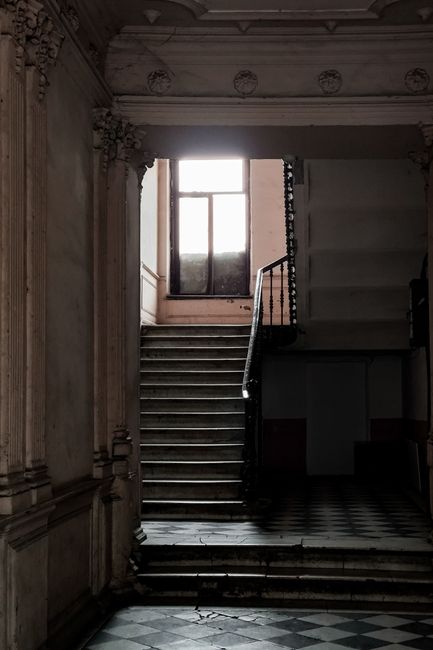
Moving through a Georgian stairwell sounds simple until you're standing at the bottom of a narrow, twisty flight with a wardrobe that suddenly feels twice as heavy as it did in the hallway. In Westcombe Park, many homes have the kind of stairs that look elegant from the outside and awkward in real life: tighter turns, older banisters, reduced headroom, and walls that seem to catch every corner. Safe Stairwell Moves in Georgian Westcombe Park Homes is really about working with those limits instead of fighting them.
This guide walks you through the practical side of moving furniture, boxes, and fragile items up or down these staircases without panic, damage, or avoidable strain. You'll find planning advice, lifting techniques, common mistakes, local realities, and the moments when it makes more sense to bring in specialist help. Let's face it, a staircase can make or break a move.
Why Safe Stairwell Moves in Georgian Westcombe Park Homes Matters
Georgian properties have character, but their stairwells were not designed around modern sofas, king-size beds, or today's bulky appliances. In Westcombe Park, that can mean narrow treads, awkward landings, turning points that are just a little too tight, and delicate finishes you do not want to scuff on the way past. A move becomes risky fast when people try to rush furniture up or down stairs without measuring, planning, or assigning clear roles.
Safety matters for three reasons. First, there's personal safety: strained backs, trapped fingers, slipped feet, and overbalanced loads are the usual culprits. Second, there's property protection: chipped plaster, marked paintwork, damaged spindles, cracked stair edges, and broken lamps are all common when the route is tight. Third, there's timing. One awkward staircase can delay the whole day if nobody has thought through the best sequence. A small pause to plan usually saves a much bigger headache later.
In our experience, stairwell issues are rarely about brute strength. They're about angles, communication, and patience. That may sound a bit unglamorous, but it works.
If you're still at the planning stage, it can help to read about efficient decluttering for a seamless house move and strategic packing methods that reduce stress, because less clutter and better packing make stair moves noticeably easier.
How Safe Stairwell Moves in Georgian Westcombe Park Homes Works
The process works by breaking the move into controlled stages. You assess the staircase, reduce the load, protect the route, choose the right lifting technique, and move one item at a time with clear communication. That's the simple version. The slightly less simple version is that every Georgian stairwell has its own personality, and you only really learn it by looking closely before anything leaves a room.
Start with measurements. Check the width of the narrowest point, the height at the tightest landing, and the size of the item at its bulkiest point, not just its label dimensions. A wardrobe that seems manageable in a bedroom can turn into a horizontal puzzle halfway down the stairs. Also look at the railings, light fittings, and any awkward walls or picture ledges. Those are the bits that get hit when people are rushed.
From there, the move is about control. The leading mover needs a clear view, while the second person supports the load from below or behind, depending on the item. For a box or chair, that might mean one person guiding and one person balancing. For a sofa or mattress, it may mean turning the item upright or on edge to reduce its footprint. If you've ever tried to rotate a mattress on a tight staircase, you know exactly why this matters. Slightly comical in theory. Not so funny when you're halfway through.
For heavier pieces, safe stairwell handling is closely linked to good lifting discipline. If you want a deeper look at body positioning and load control, this guide to kinetic lifting and solo heavy lifting are useful companions, especially if you are moving a few items yourself before the main removal day.
Key Benefits and Practical Advantages
A careful stairwell move protects far more than the item being carried. The advantages show up in the whole move, and often in ways people only notice afterwards.
- Less risk of damage: careful route planning prevents gouges, dents, and snapped fittings.
- Less physical strain: better positioning means fewer awkward twists and fewer sudden shifts of weight.
- Faster progress: when everyone understands the staircase, the move becomes smoother and more efficient.
- Better protection for awkward items: antiques, mirrors, beds, sofas, and pianos all benefit from controlled handling.
- Lower stress: once the stair route is under control, the rest of the day feels much more manageable.
There's also a confidence benefit. People tend to move better when they are not second-guessing every turn. That calm matters. A quiet, organised stair move feels almost boring compared with a chaotic one, and boring is good here.
For homes where furniture is part of the challenge, you may also find value in furniture removals in Westcombe Park and safe relocating of antique furniture, because older pieces often need more than just lifting power; they need judgement.
Who This Is For and When It Makes Sense
This approach is for anyone moving through a staircase that feels too narrow, too steep, or too precious to risk. That includes homeowners, tenants, landlords arranging turnover work, students in period flats, and families moving large furniture in or out of Georgian terraces. If a corridor is already tight before you reach the stairs, you're in stairwell-move territory whether you like it or not.
It makes particular sense when you are moving any of the following:
- sofas and armchairs with broad arms
- beds and mattresses, especially larger sizes
- wardrobes, chests of drawers, and bookcases
- pianos, mirrors, and framed artwork
- white goods that need careful tilting and balancing
- antique or sentimental pieces you really don't want scratched
It is also a smart mindset if you're moving from a smaller property. Small flat removals in Westcombe Park SE3 often involve a lot of stair traffic and very little room for error, which means the stairwell plan starts to matter early.
If you're already balancing a house move, storage, and packing at once, it can help to look at storage in Westcombe Park and packing and boxes services as part of the wider move strategy, not as afterthoughts.
Step-by-Step Guidance
Here's the part most people want first: what actually happens, in order. A staircase is not the place to improvise. You can improvise tea, not a sofa.
- Measure the route before anything is moved. Check the item size, the stair width, the landing space, door swings, and the ceiling height around corners. If the route is tight, measure again. A few extra minutes here can save a lot of swearing later.
- Clear the stairwell completely. Remove runners, mats, loose pictures, baskets, and anything decorative that might catch a sleeve or foot. Georgian homes often have lovely details, but lovely details are exactly what get knocked.
- Protect the vulnerable surfaces. Use blankets, corner guards, and floor coverings where needed. Even a short move can scuff paint or damage wood edges if items rub as they turn.
- Assign one lead person. The lead gives instructions and controls pace. Everyone else follows the route and stops talking over them. It sounds obvious, yet stair moves go wrong when three people shout three different things.
- Use the right carrying position. Keep the item close to the body when possible, but not so close that you lose balance or visibility. For long items, tilt or rotate to fit the space, rather than forcing them straight through.
- Move slowly around landings. Landings are where control gets lost. Pause, reset grip, check feet, and make sure the next turn is clear before going again.
- Watch the load after every turn. Stair moves often feel fine until a turn changes the balance. Check for slipping tape, loose coverings, or shifting hands.
- Rest before fatigue builds. If someone starts panting, rushing, or making bad jokes to hide the strain, it's time for a pause. Fatigue makes stairwells much more dangerous than people expect.
For packing support, you may also want to read pre-relocation cleaning practices and stress-free moving techniques, because a tidy, clean, well-organised home is simply easier to move through.
Expert Tips for Better Results
After enough moves, a pattern emerges: the best stairwell moves are not always the strongest ones. They are the best-prepared ones.
- Use a dry run for awkward furniture. If a wardrobe or sofa looks borderline, test the angle before the full lift. Sometimes you learn quickly that a piece needs to be removed in another direction altogether.
- Take photos of the route. A quick phone photo of the staircase, landing, and tightest corner can help you plan turning points and identify hazards before moving day.
- Keep hands on the item, not on guesswork. Gloves can help with grip, but only if they do not make the item slippery. Grippy is good. Slippy is not.
- Move the smallest pieces first if they clear the path. Sometimes taking out lamps, side tables, or loose shelving creates just enough room to make the big move easier.
- Protect both sides of the staircase. It is very easy to focus only on the item and forget the banister, wall edges, and the backs of your hands.
One small but useful habit: label the trickiest items before the move starts. If there's a "needs two people" box or a "won't fit upright" item, make it obvious. That saves chatter later, and on a long day that matters more than it should.
If your move includes a piano or especially heavy furniture, it is worth reading why piano pros are often worth it. A staircase and a tuned instrument are not a DIY hero story waiting to happen.

Common Mistakes to Avoid
Most stairwell problems come from a handful of very ordinary mistakes. The good news? They're avoidable.
- Not measuring properly: guessing the fit is the quickest way to end up stuck on a landing.
- Trying to rush: speed creates missteps, poor grip, and poor communication.
- Ignoring the staircase finish: old paint, timber edges, and bannisters can be more fragile than they look.
- Using too many helpers: extra hands can be useful, but too many people around a staircase create confusion.
- Lifting with a twist: turning the torso under load is a classic way to strain your back.
- Forgetting to protect the route: one blanket or guard can prevent a very expensive mark.
- Assuming every item should go upright: sometimes upright is the worst possible orientation for a stairwell.
There's a softer mistake too: underestimating the emotional side of the move. It sounds a bit odd, but once you've spent hours packing, negotiating parking, and carrying awkward furniture, even a small staircase problem feels ten times bigger. That's normal. It just means you need a steadier plan, not more pressure.
For larger or difficult items, these articles can help you avoid self-inflicted headaches: bulky item removals on Westcombe Park's narrow streets and efficient removals for Westcombe Park homes on Mycenae Road.
Tools, Resources and Recommendations
You do not need a warehouse full of gear, but a few simple tools make a real difference.
- Furniture blankets: protect both the item and the staircase edge.
- Removal straps or lifting harnesses: useful for sharing weight more evenly on tight turns.
- Gloves with grip: help with handling while reducing slippage.
- Floor protection: helpful on polished timber or vulnerable stairs.
- Corner protectors: particularly useful in stairwells with narrow wall returns.
- Tape and labels: keep padding and wrapped parts secure.
- Head torches or good lighting: especially helpful in dim hallways or late-afternoon moves.
Good preparation also includes knowing when to use a smaller vehicle, a specialist mover, or a storage plan. For example, if access is awkward and timing is tight, a man and van service in Westcombe Park can be a practical fit. For larger household moves, house removals in Westcombe Park may be the more realistic option. Different jobs, different tools.
It can also be worth checking the wider service details in the services overview, especially if you want to compare support levels before move day.
Law, Compliance, Standards, or Best Practice
For a private home move, there usually is not one single staircase rulebook that covers every situation. Still, good practice in the UK is straightforward: protect people first, then property, then the item. If a move is being carried out by a business, there should be proper attention to health and safety, manual handling, and suitable insurance cover where appropriate.
Best practice generally means:
- assessing risks before lifting begins
- using enough people for the weight and shape of the item
- avoiding awkward solo lifts when a two-person lift is safer
- keeping access routes clear and well lit
- using protective materials where damage is likely
- stopping if the load becomes unstable
If you are hiring help, it is fair to ask about safety procedures and cover. The site's health and safety policy and insurance and safety information are sensible places to review before booking. That sort of reading is not glamorous, admittedly, but it tells you a lot about how seriously a mover treats awkward access.
Also, if you are comparing operators, the removal companies in Westcombe Park page can help you think about service fit, while removals in Westcombe Park gives a broader picture of move types and support options.
Options, Methods, or Comparison Table
There is no single perfect way to handle a stairwell move. The right method depends on the item, the staircase, and how much help you have. Here's a practical comparison.
| Method | Best for | Pros | Limitations |
|---|---|---|---|
| Two-person manual carry | Boxes, chairs, smaller furniture | Simple, quick, low cost | Needs good coordination and enough space |
| Protected carry with blankets and guards | Homes with painted walls, timber rails, or tight corners | Reduces scuffs and impact damage | Takes extra setup time |
| Specialist handling for bulky items | Sofas, wardrobes, pianos, antiques | Safer for difficult items and stair geometry | Usually needs more planning and a larger budget |
| Partial dismantling | Bed frames, modular furniture, some shelving | Can make awkward items much easier to route | Requires tools, time, and reassembly later |
| Storage-first move-out | When access is tight or completion dates are split | Reduces pressure on moving day | Not ideal if you need everything moved immediately |
For many Georgian homes, the best answer is a combination: dismantle what you can, protect what you cannot, and move the rest with a measured two-person carry. Simple, yes. Easy? Not always. But it works.
Case Study or Real-World Example
A typical Westcombe Park scenario goes like this. A family is moving from a Georgian terrace with a narrow staircase and a turn at the half landing. They have a mattress, a bed frame, a sofa, two bookcases, and a heavy sideboard that is older than anyone wants to admit. At first glance, the plan seems fine. Then they try the sofa in the stairwell and realise the arm is catching on the turn.
Instead of forcing it, they pause, remove the sofa feet, wrap the corners, and rotate the item so the narrow edge leads. The bed frame is taken apart in advance, which frees up space quickly. The sideboard is left for the end of the move, once the route is clearer and everyone is less tired. That one change saves time, preserves the paintwork, and avoids a near-miss on the banister.
The useful bit here is not that the move was perfect. It wasn't. One of the movers still caught a cuff on the rail, and there was a moment of "wait, no, turn it back." But the overall job stayed controlled because the team adjusted early instead of pushing through a bad angle.
If you're dealing with seasonal items, specialised storage, or furniture that is better moved in stages, a useful supporting read is long-term sofa care and storage strategies and care techniques for a freezer when not in regular use. Those topics sound unrelated at first, but in real moves they often sit side by side.
Practical Checklist
Use this before the first item reaches the stairs.
- Measure the staircase width, landing space, and tallest turning point.
- Measure bulky items at their widest and highest points.
- Clear the stairs, hallway, and landing of all loose items.
- Protect walls, bannisters, and corners with blankets or guards.
- Check whether any item should be dismantled first.
- Decide who leads, who supports, and who opens doors or manages obstacles.
- Wear footwear with decent grip.
- Keep children and pets away from the route.
- Plan where each item goes before lifting starts.
- Pause if balance, visibility, or grip becomes uncertain.
- Book extra help if an item feels borderline.
- Review move-day timing so nobody is rushing the staircase at the end of the day.
Key takeaway: the safest stairwell move is the one that looks slightly over-prepared before it starts. That is usually a good sign, not a bad one.
For a smoother overall move, a well-planned route through the house matters just as much as the staircase itself. If you are comparing options or looking at support levels, a practical next step is to review pricing and quotes, then choose the support that matches your staircase reality rather than the ideal version in your head.
Get a free quote today and see how much you can save.
Conclusion
Safe stairwell moves in Georgian Westcombe Park homes are really about respect: respect for the property, for the furniture, and for the people carrying it. Georgian staircases can be beautiful, but they demand attention. Measure carefully, protect the route, move slowly, and never pretend a tight turn is less tight than it looks. If the item is awkward, accept that early and adjust the plan.
That's the honest version. Not every move needs heroics. Most need calm, preparation, and a bit of patience. When those three things are in place, even a tricky stairwell becomes manageable, and the whole day feels much less like a battle. One steady step at a time, really.