Westcombe Park Road removals guide for family homes in SE3
Moving a family home on Westcombe Park Road is rarely just about boxes and a van. It is about school runs, awkward stairwells, the sofa that somehow got bigger overnight, and trying to keep everyone calm while the kettle, the pet carrier, and someone's missing PE kit all seem to matter at once. This Westcombe Park Road removals guide for family homes in SE3 brings the whole job into focus so you can plan sensibly, avoid the usual headaches, and make the move feel far more manageable.
Whether you are upsizing, downsizing, relocating across SE3, or moving in and out of one of the area's period homes, the basics are the same: good planning, the right vehicle, careful packing, and a clear idea of access on the day. A smooth move is rarely accidental. It is usually the result of a few well-timed decisions, made before anyone starts carrying the dining table downstairs.
Below, you will find a practical guide built around real moving concerns for family homes in this part of London. We will cover the local issues that matter, the steps that reduce stress, and the decisions that can save time and money. Not glamorous, maybe. Useful? Very much so.
Why Westcombe Park Road removals guide for family homes in SE3 matters
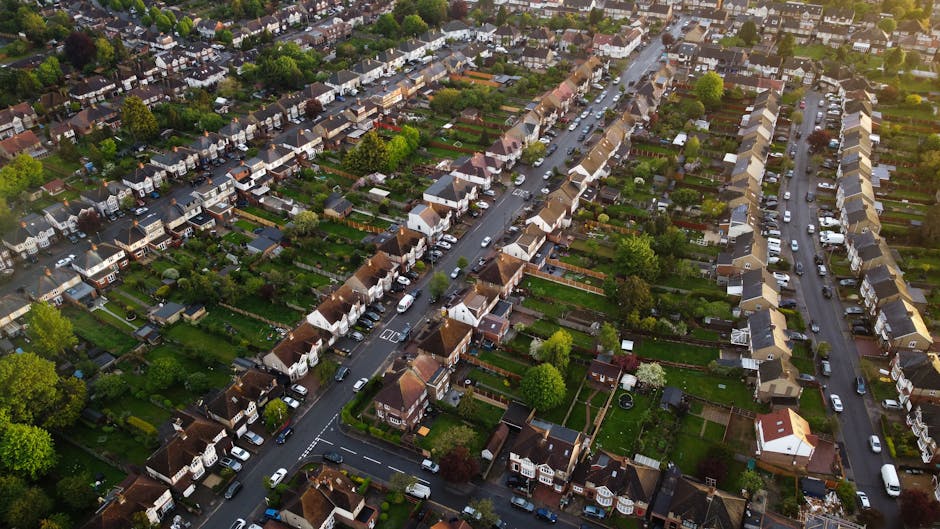
Westcombe Park Road has the kind of moving challenges that catch people out if they assume every removal is the same. Family homes often mean more furniture, more possessions, and more moving parts. Then there is the local context: residential parking pressures, narrow access in some stretches, time-sensitive school schedules, and the practical reality of trying to load safely without disturbing neighbours or blocking the street for too long.
That is why a localised removals guide matters. It helps you think beyond the obvious. Yes, you need boxes. Yes, you need a van. But you also need to consider where the vehicle can pause, how long loading might take, whether the staircase is awkwardly tight, and whether the day will involve children underfoot while you are trying to disassemble a bed. Truth be told, that last one alone can derail a morning.
For family homes in SE3, the move is often about reducing friction. The more you prepare around the local conditions, the less likely you are to end up with delays, last-minute panic, or avoidable damage. That is especially important if you are working to a completion day, a rental deadline, or a school term timetable. Moving house is emotional enough without discovering the front path is blocked by a wardrobe at 2 p.m.
Expert summary: the best family moves on Westcombe Park Road are rarely the fastest on paper; they are the ones planned around access, timing, packing order, and the realities of the home itself.
How Westcombe Park Road removals guide for family homes in SE3 works
The process usually starts with an assessment of what is being moved and how it needs to be handled. A family home is not just "three bedrooms and a lounge". It is wardrobes, toys, crockery, school items, bikes, storage boxes, garden bits, and the odd item nobody has used for years but somehow still matters. The removals plan should reflect that volume and variety.
First, the move is scoped. That means looking at room count, furniture size, access points, and any items that need special care. If you have antiques, heavy mirrors, a piano, or a large American-style fridge, the approach changes immediately. If you are decluttering beforehand, the job may become simpler and cheaper. A good operator will usually want to know not just what is moving, but what is staying behind.
Next comes packing and loading strategy. Family moves work best when each room is packed in a sensible order, with essentials kept separate. Bedrooms, for example, should not be emptied in a way that leaves everyone searching for toothbrushes while the beds are still in bits. It sounds obvious, but you would be surprised how often that happens.
On moving day, timing and access matter. The vehicle needs to arrive when the route is clear enough, parking should be considered in advance, and the loading sequence should suit the building layout. In some houses, that means protecting bannisters and floors first. In others, it means planning how to get a sofa around a tight corner without a dent in the plaster. Little things, really, but they add up.
If you are comparing home moves options, the practical difference often comes down to whether the service is tuned to domestic relocation rather than generic transport. That can make a noticeable difference when you are moving a full family household rather than a few pieces of furniture.
Key Benefits and Practical Advantages
A well-managed removals plan for Westcombe Park Road can reduce the whole experience from "chaotic" to "busy but fine". And that is a big improvement. Here are the advantages that matter most to families in SE3.
- Less disruption to family routines: A structured move keeps school items, medicines, chargers, and bedtime essentials easy to find.
- Better protection for furniture and flooring: Careful handling reduces scratches, scuffs, and the sort of damage that makes you wince for a week.
- Improved access planning: Local streets and parking realities are easier to manage when they are considered from the start.
- More predictable timing: A realistic schedule lowers the risk of rushed decisions and unfinished loading.
- Reduced stress: This is the big one. Fewer surprises means a calmer day for everyone, including the children.
There is also a practical financial angle. If you overestimate what you need, you may pay for more van space or labour time than necessary. If you underestimate, you may need a second trip or a rushed add-on. Neither is ideal. The better approach is to match the service to the actual home size, access conditions, and volume of belongings.
For families, the move can also be a chance to reset. A careful removals process makes decluttering easier, encourages better packing, and can even reveal how much unnecessary stuff had quietly taken over the spare room. Slightly humiliating, yes, but useful.
Who This Is For and When It Makes Sense
This guide is for anyone moving a family home on or near Westcombe Park Road in SE3, especially if the move involves more than a few bags and a coffee table. It is useful for:
- Families moving between houses or larger flats
- Households with young children who need predictable routines
- People moving into period homes with stairs, landings, or tight corridors
- Those relocating to or from the Westcombe Park and Greenwich area
- Anyone who wants to reduce the risk of damage, delays, or parking headaches
It also makes sense if your move is time-sensitive. Maybe completion is happening on a Friday afternoon. Maybe you need the home cleared before cleaners arrive. Or maybe you are doing the whole thing around work commitments and school pickup, which, let's face it, is a bit of a juggling act.
If your household is small and the move is simple, you may only need a light-touch service. If, however, you are moving from a fully furnished family home with children's furniture, appliances, boxed contents, and outdoor bits, you will want a more thorough plan. That is where experienced removal services can be more helpful than a basic vehicle hire approach, because the job is not just transport; it is coordination.
Step-by-Step Guidance
The simplest way to keep a move on track is to break it into stages. Here is a practical sequence that works well for family homes.
- Survey the property and list the load. Walk through each room and note bulky items, delicate pieces, and anything awkward to carry.
- Declutter early. Sell, donate, recycle, or dispose of items before packing where possible. One less box still matters.
- Book the right moving support. Choose a team or vehicle size that matches the household rather than guessing.
- Plan parking and access. Check where the vehicle can stop, how far items will be carried, and whether any permissions or loading arrangements are needed.
- Pack by priority. Create labelled boxes for essentials, children's items, bedding, toiletries, and kitchen basics.
- Protect fragile and valuable items. Wrap glass, artwork, electronics, and family keepsakes carefully. If in doubt, overpack slightly rather than underpack.
- Prepare the old and new home. Clear hallways, protect floors, and make sure keys, documents, and utility details are easy to reach.
- Load in a sensible order. Heavy and sturdy items usually go first, with fragile and essential items secured separately.
- Do a final room check. Look in loft spaces, cupboards, sheds, and under beds. That is where the forgotten items live.
- Unpack essentials first. Set up sleeping, washing, and food basics before tackling decorative or storage boxes.
A good family move rarely depends on one big decision. It is the accumulation of small, sensible steps. Not exciting, perhaps. But very effective.
Expert Tips for Better Results
There are a few moving habits that consistently make family relocations easier, especially in busy London streets where access and timing can get fiddly.
1. Pack a "first night" box for each person. Include toiletries, chargers, a change of clothes, medication, snacks, and anything a child needs to settle. You will thank yourself later when the toothbrushes are not buried in a box marked "misc".
2. Photograph the back of electronics before unplugging them. It takes seconds and can save you a lot of guesswork later.
3. Label boxes by room and priority. "Kitchen - high", "Children's room - bed linen", "Study - non-urgent". The extra detail helps the unloading team and keeps the new home from turning into one giant pile.
4. Measure awkward furniture before the day. A wardrobe that looks manageable in the lounge may become an entirely different beast on a narrow landing. We have all seen it happen.
5. Keep cleaning supplies accessible. Even if the place is being professionally cleaned, a cloth, bin bags, and a spray bottle are handy for quick touch-ups.
6. Protect family routines where possible. Children usually cope better if meals, naps, and bedtime stay roughly familiar. That does not mean a perfect day. It means a steadier one.
7. Confirm insurance and handling expectations before moving day. This matters more than most people realise. If a sofa leg catches on a bannister, you want to know how the service handles that sort of thing. A provider's insurance and safety approach should be clear, practical, and easy to understand.
And one more thing: leave yourself a little breathing room. A move that is planned to the minute often becomes stressful the moment something tiny slips. A ten-minute cushion here and there can be the difference between a smooth day and a frazzled one.
Common Mistakes to Avoid
Most moving problems are not mysterious. They are usually the result of avoidable oversights. The good news is, they are easy enough to sidestep once you know what to look for.
- Underestimating volume: Family homes always seem to produce more boxes than expected. Always.
- Leaving packing too late: Last-minute packing leads to poor labelling, broken items, and stress that spreads through the whole day.
- Ignoring access issues: Parking, street layout, stairs, and lift availability can all affect timing.
- Forgetting essentials: Toiletries, medicines, chargers, snacks, and important documents should not disappear into the load.
- Not decluttering first: Paying to move items you no longer need is rarely satisfying.
- Choosing the wrong vehicle size: Too small means repeat trips. Too large can be inefficient if the move is modest.
- Skipping floor and wall protection: Small scuffs become annoying fast, especially in freshly decorated rooms.
Another common mistake is assuming every removal company will treat a family move the same way. Some are better at quick, light jobs; others are set up for larger domestic relocations. If you want more control over timings and loading, comparing options carefully is sensible. The difference between a smooth move and a fraught one is sometimes just the right setup.
Tools, Resources and Recommendations
You do not need a mountain of gear to move well, but a few tools and materials make a big difference. These are the basics worth having ready.
- Strong boxes and crates: Use a mix of sizes rather than packing everything into one type.
- Bubble wrap and packing paper: Helpful for glassware, picture frames, and fragile ornaments.
- Furniture blankets and covers: Useful for sofas, tables, wardrobes, and mattress protection.
- Heavy-duty tape and labels: Clear labelling saves time on both sides of the move.
- Trolley or sack barrow: Makes a surprising difference with heavier items.
- Toolkit: Keep screwdrivers, Allen keys, and spare bags for fixings.
- Black bin bags and recycling bags: Handy for soft goods, quick clear-outs, and waste separation.
For family homes with larger furniture, specialised support can also help. If you have a sofa that has to come apart, a heavy bed frame, or delicate household items, experienced movers are often worth the effort. Some households also look at packing and unpacking services when they need to save time or reduce the pressure on moving day. That is especially useful if both adults are tied up with work, children, or the house chain.
If you are moving with older furniture, or you want to reduce waste after the move, there is value in thinking ahead about reuse and disposal too. A move is a good time to sort what stays, what goes, and what can be passed on responsibly. It is cleaner, simpler, and less of a headache than dealing with it afterwards.
Law, Compliance, Standards, or Best Practice
Moving house in London can involve practical compliance issues even when the move itself is straightforward. You may need to consider parking restrictions, local loading conditions, and any rules that affect where a van can stop. The exact arrangements depend on the street, the time of day, and the nature of the property, so it is sensible to check local conditions before the move rather than assuming it will all sort itself out. It rarely does.
Health and safety is another real consideration. Manual handling matters when moving heavy furniture, boxes, and appliances. Good practice usually means using proper lifting techniques, avoiding overfilled boxes, keeping walkways clear, and protecting both the movers and the property. For family homes, this also means being careful around children, pets, and breakable items that may be sitting in the wrong place at the wrong time.
Reputable removal firms should be able to explain how they approach safety, damage prevention, and insurance in plain English. If the explanation feels vague, ask more questions. That is not being awkward; it is being sensible. You want to know how your belongings are being handled before the van door closes.
For a closer look at operational safety and service expectations, you can review a provider's health and safety policy alongside its insurance information. If you care about privacy, payments, or service terms, those details should also be easy to find and understand. A move may be physical, but the paperwork still matters.
Options, Methods, or Comparison Table
Families moving from Westcombe Park Road often compare three broad approaches: a full removals service, a man and van option, or a self-managed move with hired transport. Each can work. The right one depends on volume, access, budget, and how much strain you want to carry on the day.
| Option | Best for | Main strengths | Possible drawbacks |
|---|---|---|---|
| Full removals service | Larger family homes, heavy furniture, tight schedules | More support, less lifting, better coordination | Usually higher cost than basic transport |
| Man and van | Smaller family moves, partial loads, flexible timing | Often efficient and practical for local moves | May need more hands-on packing and prep |
| Self-move with hired vehicle | Very budget-conscious moves with plenty of help | Control over timing and packing | More physical effort and more risk of delays |
In practice, many households lean towards a local moving team for a family home because it reduces stress at the exact point where stress tends to spike. If you are comparing man and van options with larger removal company services, focus less on the label and more on what is included, how access is handled, and how the crew works under pressure. That is the bit that really matters.
Case Study or Real-World Example
Here is a realistic example. A family moving from a three-bedroom home on Westcombe Park Road had a fairly standard problem list: a full kitchen, children's bedroom furniture, a large wardrobe, boxed books, a heavy sofa, and a decent amount of garden equipment. Nothing dramatic, but enough to make the move feel like a proper project.
Instead of trying to do everything the night before, they started a week early. They decluttered one room at a time, packed the children's items separately, and reserved a "first night" box with bedding, mugs, snacks, towels, and chargers. They also checked access at both properties and made sure the van arrival time would not clash with school pickup. Sensible stuff, really, but it saved them a headache.
On the day, the move went more smoothly because the loading order had been planned. The heavier furniture went first, fragile boxes were kept together, and the family knew exactly where the essentials were. There was still noise, a bit of rushing about, and one moment where a roll of tape vanished into a box of picture books - classic moving day chaos - but overall the day stayed under control.
The biggest lesson was not that the move was effortless. It was that the family had reduced the number of decisions they had to make while tired. That is often the real trick.
Practical Checklist
Use this as a quick pre-move check for a family home on Westcombe Park Road.
- Confirm moving date, keys, and access details
- Check parking and loading arrangements at both addresses
- Measure large furniture and awkward hallways or stairs
- Book the right vehicle or removals support
- Declutter and separate donation or disposal items
- Pack essentials, valuables, and documents separately
- Label boxes by room and priority
- Protect floors, bannisters, and fragile surfaces
- Keep children's comfort items easy to reach
- Prepare a cleaning kit and a first-night box
- Photograph rooms and electronics if useful
- Do a final check of lofts, cupboards, sheds, and under beds
If you can tick off most of the above before moving day, you are already in better shape than many households. Not perfect. Just well prepared. And that usually wins.
Get a free quote today and see how much you can save.
Conclusion
A successful family move on Westcombe Park Road is built on preparation, practical decisions, and a clear understanding of the local realities in SE3. Once you account for access, parking, packing, and household routines, the whole process becomes much more manageable. Not easy, perhaps. But manageable, which is what most people really want.
If you are weighing up services, think about the level of support your home actually needs rather than the cheapest option on the page. The right fit saves time, protects your belongings, and makes the day far calmer for everyone involved. That includes the person who ends up guarding the tea bags, by the way.
With a sensible plan and the right help, your move can feel less like a scramble and more like a clean start. One room at a time. One box at a time. That is enough.
Frequently Asked Questions
What is the best way to plan a family move on Westcombe Park Road?
Start early, list every room, declutter before packing, and check access at both properties. The best plans are practical rather than elaborate. A clear packing order and a simple first-night box can make a surprisingly big difference.
How far in advance should I book removals in SE3?
As early as you reasonably can, especially if your move date is tied to completion or school schedules. Busy periods fill up quickly, and the more flexibility you have, the easier it is to get a time that suits your household.
Do I need a full removals service for a family home?
Not always. Smaller homes or lighter loads may suit a man and van option, while larger family homes with heavy furniture usually benefit from a fuller removals service. Think about volume, access, and how much lifting you want to do yourself.
How can I make moving day less stressful for children?
Keep their essentials accessible, maintain familiar routines where possible, and pack a comfort bag with snacks, a drink, favourite toys, and bedtime items. Children usually cope better when the day feels predictable, even if the house is busy.
What should go in the first-night box?
Put in toiletries, chargers, medication, a change of clothes, basic snacks, toilet paper, towels, and bedding. If there are children, include their comfort items too. It saves a lot of rummaging after a long day.
How do I deal with parking and access on Westcombe Park Road?
Check the street layout, loading space, and any parking restrictions before the move. If the vehicle cannot stop close to the property, loading will take longer, so build that into the plan. It is one of those details people underestimate.
Are fragile or valuable items safe in a standard move?
They can be, if they are packed properly and handled with care. Use strong boxes, protective wrapping, and clear labelling. For unusually valuable or delicate items, ask how they should be handled before moving day rather than hoping for the best.
What if my furniture is too large for the stairs or hallway?
Measure first. If something looks awkward, it often is. In some cases furniture may need to be partially dismantled, protected carefully, or moved with extra hands. Better to discover that before the day than halfway through a narrow landing.
Is it worth using packing and unpacking help?
For busy families, yes, often it is. It saves time, reduces stress, and can protect breakables more reliably. If both adults are working, or the move is happening fast, the support can be well worth it.
How do I avoid hidden moving costs?
Be clear about the number of items, access conditions, parking, stairs, and any bulky or specialist pieces. Hidden costs often come from surprises, not the move itself. A detailed discussion before booking usually helps avoid awkward additions later.
What should I check before agreeing to a removals service?
Look at what is included, how access is handled, whether the team has safety and insurance information available, and how the timing works. Clear answers are usually a good sign. If something feels vague, ask again.
Can I combine decluttering and moving on the same day?
You can, but it is rarely the easiest route for a family home. Small last-minute sorts are fine; major decluttering on the day can slow everything down. If possible, clear unwanted items before moving day so the load is lighter and the day runs more smoothly.
What is the most common mistake families make when moving from SE3?
The most common mistake is underestimating the amount of time and packing needed. Family homes naturally generate lots of small items, and those take longer than people expect. A little extra time in the plan goes a long way.