Commercial Moves in Westcombe Park
Reliable business relocation support for Westcombe Park

When a business needs to move, the right support makes a huge difference. Commercial moves in Westcombe Park are often more complex than a typical home removal because they involve workstations, stock, files, specialist equipment, customer-facing areas, and tight deadlines. Whether you are relocating a small office, shifting a studio, moving a retail unit, or reorganising part of a larger commercial premises, the move needs to be planned around your operations, your staff, and the practical realities of the local area.
Westcombe Park has its own character: a mix of residential streets, local businesses, period properties, flats, and commercial spaces that can present access challenges for vehicles, loading, and parking. That is why working with a local team that understands the area is so useful. A professional business removals service can help you reduce downtime, protect valuable items, and keep the move as calm and orderly as possible.
If you are comparing office removals, shop moves, or general commercial relocation services in Westcombe Park, the aim is usually the same: complete the move efficiently, avoid disruption, and get back to business quickly. A well-managed approach should feel structured from the first call through to the final box being placed in the right room.
What commercial moving services typically include

A good commercial removals service should do more than transport items from one address to another. It should help you manage the many stages that sit around the actual moving day. From planning and packing to transport and placement, each stage needs to be handled with care.
Typical services for business removals in Westcombe Park may include:
- Pre-move planning and scheduling
- Packing of office contents, stock, archives, and equipment
- Disassembly and reassembly of desks, shelving, and furniture
- Safe handling of IT equipment and peripherals
- Labelling systems to keep items organised by department or room
- Transport suited to the size and nature of the move
- Placement of items in the correct destination area
- Optional weekend or out-of-hours moving arrangements
Depending on the nature of your business, you may also need help with specialist items such as filing cabinets, display units, servers, warehouse stock, retail fixtures, or fragile stock. The best approach is one that matches your building layout, team size, and business hours.
Why local knowledge matters in Westcombe Park
Local knowledge is often underestimated, but it can make the moving process much smoother. Westcombe Park includes residential roads, managed developments, and streets where parking space can be limited. For commercial customers, that can affect loading times, access for larger vehicles, and how the move is scheduled around neighbours, building rules, or delivery restrictions.
Businesses in and around Westcombe Park may also need to consider nearby areas such as Greenwich, Blackheath, Charlton, Maze Hill, and Kidbrooke. If your premises are on a busy road or close to a station, timing becomes even more important. A local moving team is better placed to anticipate these details and plan around them, rather than treating every job as if it were the same.
Practical local awareness can reduce delays, limit stress, and help protect your business schedule. It may also improve communication with building managers, neighbours, and reception teams when access needs to be arranged in advance.
Commercial customers we commonly help
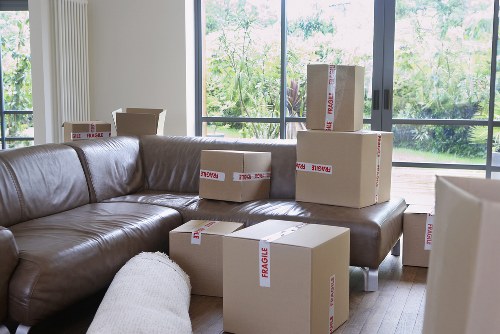
Commercial moves in Westcombe Park can involve many different types of businesses. Some customers need to move a full office, while others only need support with a section of premises or a specific department. In many cases, the job is just as much about organisation as it is about lifting and transport.
Common commercial move types include:
- Office relocations
- Retail unit moves
- Studio and creative workspace relocations
- Consulting or professional practice moves
- Shared office or coworking space moves
- Hospitality storage or back-of-house relocations
- Small business and start-up transitions
- Light commercial and mixed-use premises moves
Westcombe Park has a mix of property styles, from converted buildings and compact office spaces to larger homes that may include a business area or home office. That means a commercial moving service needs to be flexible. Some jobs need careful handling of delicate equipment, while others are focused on moving large quantities of stock or furniture quickly and safely.
How the moving process usually works
A clear process helps everyone involved feel more prepared. Commercial moves should never feel rushed or improvised, especially if staff, customers, or business operations are affected. The exact details will vary, but the process usually follows a straightforward structure.
A typical business move may include:
- An initial discussion about the premises, contents, and timing
- A survey or detailed assessment of what needs to be moved
- Planning around access, parking, lifts, stairs, and loading points
- Packing and labelling to keep items organised
- Disassembly of furniture where needed
- Collection and transport on the agreed date
- Placement and reassembly at the new location
- Final checks to make sure the move is complete
Many customers appreciate having one team manage the main parts of the move, because it reduces the risk of confusion. A coordinated move also helps avoid items being misplaced or damaged during the transition.
Preparing your business for moving day

Preparation is one of the biggest factors in a successful commercial relocation. Even the best moving team will work more efficiently when the business has organised key details in advance. This is especially important in Westcombe Park, where access arrangements, building rules, and parking constraints can affect timing.
Useful preparation steps include:
- Confirming the moving date and time with staff and suppliers
- Identifying which items are moving, storing, or being discarded
- Back up digital information and secure sensitive documents
- Label boxes and equipment by room, team, or priority
- Clear walkways and access routes before the movers arrive
- Arrange any building permissions for lifts, loading bays, or keys
- Notify staff about packing deadlines and responsibilities
- Keep essentials separate so they can be accessed immediately
It is also wise to set aside a small “first day” kit for the new premises. This might include chargers, stationery, cleaning items, basic tools, kettle supplies, extension leads, and any other essentials your team will need before the workplace is fully settled.
Handling access and parking challenges in the area
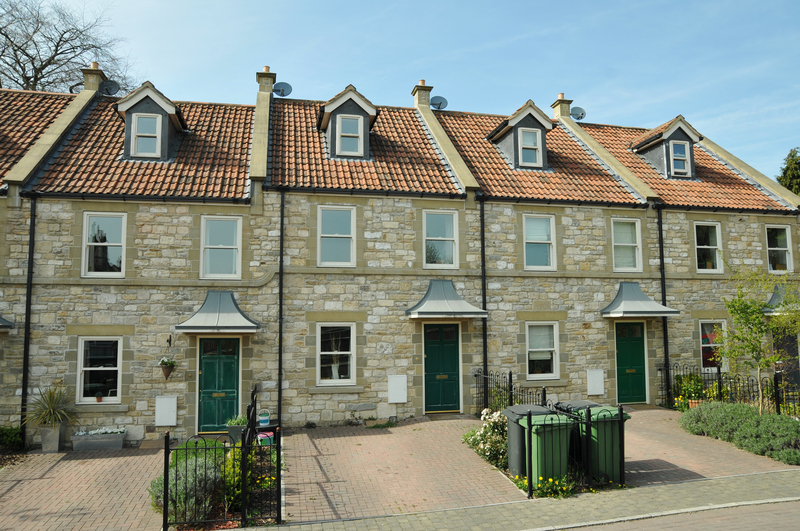
One of the biggest reasons businesses choose a local commercial moving service in Westcombe Park is the practical issue of access. Some premises are straightforward, but many are not. Narrow streets, limited on-street parking, timed access windows, and shared entrances can all slow down an unmanaged move.
Commercial customers often have to work around:
- Parking restrictions near residential streets
- Busy times around station access and commuter traffic
- Limited loading space outside smaller premises
- Upper-floor offices or mixed-use buildings
- Managed properties with specific move-in or move-out rules
- Shared entrances that need careful coordination
A local team can plan the move with these realities in mind. That might mean choosing a sensible loading time, bringing the right size vehicle, organising extra crew members, or planning for more than one trip if needed. The goal is to make the process efficient without creating unnecessary pressure on staff or neighbours.
Why businesses choose a local commercial removals company
Choosing a company that regularly works in and around Westcombe Park brings several advantages. Local teams are usually more familiar with the pace of the area, the common property layouts, and the practical issues that can arise on moving day. That local insight can help with planning and reduce the chance of avoidable delays.
Benefits of using a local mover include:
- Better understanding of nearby roads and access points
- More accurate planning for loading and unloading
- Greater flexibility for short notice changes where possible
- Awareness of building restrictions and residential considerations
- Faster response for pre-move checks and follow-up support
For businesses that need to minimise downtime, this local understanding can be especially valuable. It means fewer surprises and a more practical plan for the day itself.
Moving offices, shops, and mixed-use premises
Different businesses need different types of support. An office move may revolve around desks, monitors, chairs, and confidential files. A retail move may involve fixtures, stock, displays, and tills. A mixed-use move may require careful coordination between customer-facing areas and storage rooms. Commercial moves in Westcombe Park should be tailored to the specific layout and function of the premises.
For office customers, the main priorities are usually continuity, careful handling of equipment, and fast setup at the destination. For retail and service businesses, presentation matters as well, because items need to arrive in a usable and organised state. In each case, it helps to have a moving plan that reflects the business rather than using a one-size-fits-all approach.
Clear labelling, sensible sequencing, and careful handling can save time once you arrive at the new site. These small details often make the biggest difference when staff need to get back to work quickly.
Special items that may need extra care
Some commercial items are straightforward to move, while others need extra attention. Businesses often hold equipment that is heavy, fragile, awkwardly shaped, or important to daily operations. A professional moving team should know how to manage these items safely and efficiently.
Examples of specialist items include:
- Computers, monitors, and IT peripherals
- Printers, copiers, and office machines
- Server units and network equipment
- Glass display units and shelving
- Filing cabinets and archive boxes
- Retail stock and promotional displays
- Heavy desks, boardroom tables, and storage units
- Artwork, décor, and branded materials
If you have sensitive documents or technical equipment, it is worth discussing that early. The more information a mover has before the job starts, the better they can prepare equipment, packing materials, and handling methods.
How to reduce downtime during a commercial move
For most customers, the biggest concern is not the boxes themselves — it is the interruption to business. A move can affect staff productivity, customer service, and internal communications. That is why many companies try to reduce downtime as much as possible.
Ways to keep disruption down:
- Choose the moving date carefully, ideally outside your busiest trading period
- Pack in stages so the business can keep functioning while the move is prepared
- Use room or department labels to speed up setup at the new site
- Move non-essential items first and leave essentials until last
- Set up key work areas before opening or resuming normal operations
- Coordinate with staff so everyone knows their role
If your business cannot fully stop during the move, ask about flexible scheduling. Early starts, late finishes, and weekend moves can sometimes be helpful depending on the project and the premises involved.
Pricing factors for commercial moves
Business customers often want to know what affects the cost of a commercial relocation. Because every move is different, pricing usually depends on a range of practical factors rather than a standard flat figure. A proper quote should reflect the details of the job and the work involved.
Common pricing factors include:
- Size of the property and volume of items
- Distance between the current and new premises
- Access conditions at each location
- Amount of packing, dismantling, or reassembly required
- Need for specialist handling or extra labour
- Timing, including out-of-hours or weekend work
- Any storage or staged move requirements
It is sensible to request a detailed quote after explaining the nature of the move. That helps the moving company understand what is needed and gives you a clearer picture of the plan before moving day arrives.
What to look for when choosing a mover
Not every removal company is suited to commercial work. A business move needs organisation, professionalism, and a team that understands how to handle workspaces, not just household furniture. When comparing providers, it helps to look at how they talk about planning, access, packing, and communication.
A good commercial moving partner should be able to:
- Ask the right questions about your business and premises
- Explain how the move will be scheduled
- Provide clear information about what is included
- Take access and parking issues into account
- Show flexibility where business needs are time-sensitive
- Handle furniture and equipment with appropriate care
You should feel confident that the team understands the demands of commercial relocation in Westcombe Park. A well-prepared mover will focus on planning and practical support, not just lifting items into a van.
Areas covered around Westcombe Park
Businesses in Westcombe Park often need support that extends beyond the immediate neighbourhood. Many commercial moves involve short local journeys, cross-town relocations, or multi-site transitions across nearby districts. A local company can usually help with moves to and from surrounding areas, making the process easier to coordinate.
Nearby areas commonly included in local commercial moving work are:
- Greenwich
- Blackheath
- Maze Hill
- Charlton
- Kidbrooke
- Lewisham
- Deptford
- Canary Wharf and other business districts when required
If your business is moving between Westcombe Park and another nearby location, it can be useful to choose one team that understands both sides of the route. That can simplify timing, route planning, and the overall coordination of the move.
Preparation checklist for business customers
A simple checklist can make a commercial move feel much more manageable. Whether you are relocating a small office or a larger workspace, taking care of the basics before moving day reduces confusion and helps the team work efficiently.
Checklist before your commercial move:
- Confirm the moving date and access times
- Tell staff what they need to pack and when
- Back up digital files and protect confidential records
- Disconnect and label IT equipment carefully
- Sort items into keep, move, store, or dispose categories
- Make sure pathways and exits are clear
- Check lift availability, loading arrangements, and keys
- Keep important documents and essentials separate
H4: Tip for multi-department businesses
Use a simple colour code or numbering system so items can be placed directly into the correct room or workstation area at the new site. That can save a great deal of time during setup.
Frequently asked questions
Many business customers have the same practical questions before they book a move. Below are some of the most common ones, answered in a straightforward way.
How far in advance should I arrange a commercial move?
It is best to plan as early as possible, especially if your business has limited downtime or specific access needs. Even a small move benefits from early scheduling because it gives you time to pack, notify staff, and arrange building access.
Can a move be done outside business hours?
In many cases, yes. Evening, weekend, or early-morning moves can help reduce disruption. This depends on the scope of the move, access arrangements, and the time available at each premises.
Do I need to pack everything myself?
Not necessarily. Some businesses prefer to pack sensitive or personal items themselves, while leaving larger furniture and general items to the movers. Packing support can often be arranged if needed.
What if my office has limited parking or difficult access?
That is a common issue in Westcombe Park and nearby areas. A local team can usually plan around access limits, but it helps to mention this early so the route, vehicle size, and timing can be considered properly.
Can you move a business in stages?
Yes, staged moves are often useful for larger or more complex businesses. This allows essential operations to continue while parts of the premises are moved in phases.
How to get started
If you are planning a workplace relocation, a retail move, or an office transfer in Westcombe Park, the best first step is to outline what needs to be moved and when. Even a short conversation can help clarify the scale of the project, the likely access issues, and the practical next steps.
For many customers, the process starts with a simple request for a quote and an assessment of the move. That allows the service provider to understand the building layout, the contents, and any special requirements before suggesting a plan.
Ready to move forward? Contact us today to discuss your commercial relocation needs, request a free quote, or book your service now. If you want a local team that understands the realities of moving businesses in Westcombe Park, start the conversation early so the move can be planned properly from the beginning.
Local business move support that fits the area
Westcombe Park has a mix of compact residential streets, apartment buildings, and business spaces that require careful coordination. That is why a commercial moving service here should be practical, adaptable, and focused on the details that matter to local customers. Whether you are moving a small team, a full office, or a specialist workspace, the right help can make the transition much smoother.
Choosing experienced support for Commercial Moves in Westcombe Park means getting a service that understands the local setting, works around access challenges, and respects the need to keep your business running. From the first planning step to the final placement of furniture and equipment, a well-organised move can help you settle into the new premises with far less stress.
When your business is ready to move, practical support and local knowledge matter. With the right team in place, you can focus on the next stage of your work while the relocation is handled with care.